 ChocolateLabs

 Chocolate Lab Health
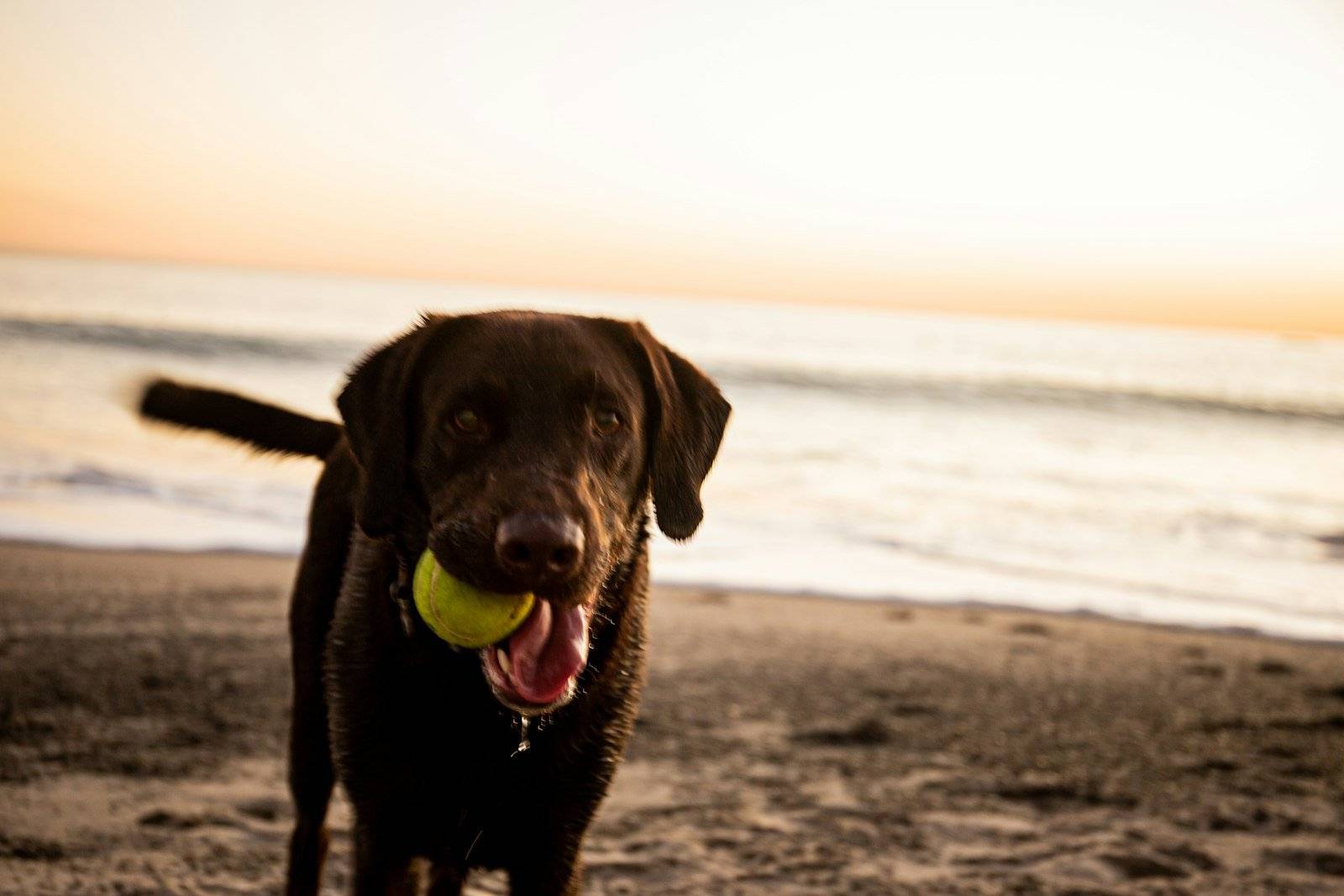
Short answer: limber tail, also called acute caudal myopathy, swimmer’s tail or cold-water tail, is a painful strain of the muscles that move the tail. A Lab’s tail suddenly hangs limp, or sticks out a few inches and then drops, usually within a day of a long swim, hard exercise, cold or wet weather, or a long time in a crate. It’s most common in young, athletic, working Labs and pointers. With rest and vet-prescribed anti-inflammatories, most dogs recover fully in a few days to two weeks (Cornell).
Signs of limber tail
Signs typically develop within a few hours to a day after the trigger (Cornell). VCA notes a dog may seem fine right after activity and wake up sore the next day.
- A tail that suddenly hangs straight down, or is held out stiffly at the base for a few inches before drooping
- Pain when the tail is touched or moved; crying or pulling away
- Not wagging
- Restlessness, and trouble sitting, lying down or getting up, because dogs use the tail for balance
- Reluctance to squat to pee or poop
- Licking or chewing at the tail, or slightly raised hair at its base
- Some dogs are distracted enough by the pain to go off their food (VCA)
When to see a vet
Limber tail usually resolves, but it’s painful, and several more serious problems look the same. Cornell and VCA list these look-alikes:
- A broken or dislocated tail
- Lower back problems, such as intervertebral disc disease, arthritis or spinal cord disease
- Anal gland infection or inflammation
- Prostate disease in male dogs
- Skin infection or inflammation under the tail
There’s no single test for limber tail. Your vet will ask about recent activity, examine the tail from base to tip and may take X-rays to rule out a fracture or spinal problem. See your vet promptly if your Lab is in a lot of pain, if the tail was injured (shut in a door, for example), or if you notice weakness or wobbliness in the back legs, which can point to a back or spinal problem rather than limber tail.
Treatment and recovery
For uncomplicated limber tail, treatment is simple (Cornell, VCA):
- Rest. Restrict activity for several days: short leash walks for bathroom breaks, no swimming, fetch or rough play.
- Anti-inflammatory pain medicine prescribed by your vet. VCA gives meloxicam as an example. Never give human painkillers; only use medication your vet has prescribed for your dog.
- Warm compresses on the base of the tail for 10–15 minutes at a time, if your dog tolerates them (Cornell).
The outlook is excellent. Cornell says most dogs recover fully within a few days to two weeks; a small percentage keep a slight, painless change in how they carry the tail. VCA says most dogs are back to normal within a few days to a week.
How common is limber tail in Labs?
More common than most owners think. The Dogslife project, which follows thousands of UK Labradors from puppyhood, ran the first large study of limber tail (Pugh et al., 2016):
- In a detailed survey of owners, the cumulative incidence of unexplained tail limpness was 9.7%.
- Only 11 of 53 reported episodes led to a vet visit, so the authors estimated that studies based on vet records would miss about 74% of affected dogs.
- The average age at the first episode was about 2 years (range about 9 months to 5 years).
- Some dogs had repeat episodes.
Risk factors
The Dogslife study quantified the risk factors owners had long suspected:
| Risk factor | Finding (Pugh et al., 2016) |
|---|---|
| Swimming | About 4.7 times the odds, but not required: 2 of 38 affected dogs didn’t swim |
| Working dogs | About 5.1 times the odds of non-working Labs |
| Living farther north (higher latitude) | Higher risk |
| Family relationships | Affected dogs were more closely related than expected, suggesting a genetic predisposition |
Cornell adds poor conditioning at the start of a hunting or training season, long periods in a crate or vehicle, and cold, wet or windy weather. Field-bred and working Labs fit the typical profile; see English vs American Labs.
Preventing limber tail
Cornell’s prevention advice:
- Build fitness gradually before hunting season or a big swimming trip.
- Limit long swimming sessions, especially in cold water.
- On long drives, use a properly sized crate and stop for breaks every few hours.
- Avoid strenuous activity in cold, wet weather, and give your dog time to rest and recover after hard exercise.
Limber tail can come back with the same triggers (Cornell), but VCA notes one episode doesn’t mean it will recur, and you don’t need to stop your dog doing what they love. For a Lab’s normal exercise needs, see how much exercise a Lab needs. If your Lab wobbles or collapses during hard exercise rather than losing their wag afterward, read about exercise-induced collapse. More Lab conditions are in common Lab health problems.