 ChocolateLabs

 Chocolate Lab Breed Guide
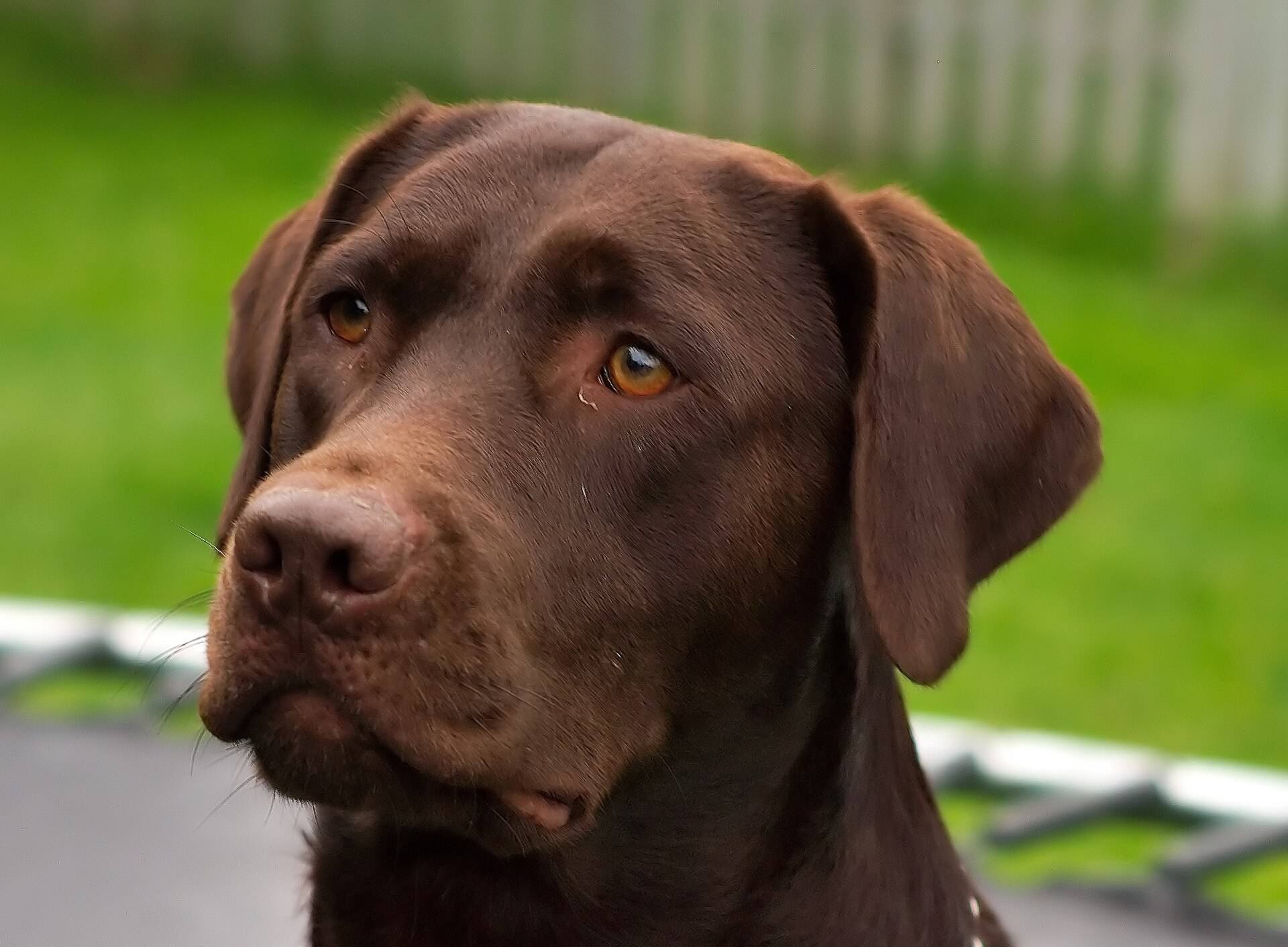

Short answer: “English” and “American” Labs are not separate breeds. They’re informal names for two styles of the same Labrador Retriever: the show (conformation) style, often called “English”, which is stockier and heavier-boned, and the field (working) style, often called “American”, which is leaner, longer-legged and usually higher-drive. The Labrador Retriever Club, Inc., the breed’s AKC parent club, says there is only one Labrador breed and one standard, and that the labels don’t tell you about a dog’s temperament, trainability or health.
Where the labels come from
According to the Labrador Retriever Club (LRC), the US public began labeling the variations in Lab body style as “English” or “American”. The club suggests “show/conformation” and “working/field” are better descriptions, partly because working-style Labs are bred in England too, so “English” doesn’t really mean English. Breeders who use the term “English Lab” usually mean a show-bred dog, whether or not it has British ancestors.
Both styles are judged against the same words. The AKC standard describes a “strongly built, medium-sized, short-coupled” dog bred to function as a retrieving gun dog, and it has no separate standard for either type. See the Labrador breed standard explained.
Show vs field Labs side by side
| Show / conformation (“English”) | Field / working (“American”) | |
|---|---|---|
| Build | Stockier, heavier bone | Lighter bone, more length of leg |
| Head | Broader; often called “blocky” | Narrower, with a longer muzzle |
| Coat | Denser | Less dense |
| Bred for | The show ring and the breed standard | Hunting, field trials and hunt tests |
| In research (Lofgren 2014) | Lower trainability and fetching scores than gundogs | Gundogs scored highest for trainability and fetching |
The build descriptions come from the LRC; the research row is from a 2014 UK study described below. The club stresses that these are the extremes: most Labs, from either kind of breeding, have moderate builds closer to the written standard, and a single litter can produce puppies across the range.
Size
Every Lab is held to the same AKC ranges: males 22½–24½ inches and 65–80 lb in working condition, females 21½–23½ inches and 55–70 lb. Show-style dogs tend toward the heavier end and field-style dogs toward the lighter, leaner end. See how big Labs get for the growth chart, and how much to feed a Lab to keep either type lean.
Temperament and energy: what the research shows
The best data comes from a 2014 survey of 1,978 UK Labradors (Lofgren et al.):
- Working status was more often linked to personality differences than any other factor studied.
- Gundogs scored higher for trainability and fetching than show dogs or pets.
- Dogs that got more exercise showed less aggression, less fear and lower separation anxiety.
- The authors couldn’t separate genetics from upbringing, and said the differences were most likely a mix of both.
So the cliché has some support: field-bred Labs, on average, show more working drive. But that drive needs an outlet. A field-line Lab in a home without much exercise or training can be a handful, while a show-line Lab still needs daily exercise and can still work. Read more in Lab temperament and how much exercise a Lab needs.
The same study found some personality differences between colors too, but the researchers noted that chocolates are more common in show lines, which confounds the comparison. There’s no good evidence chocolate Labs are more aggressive or less intelligent.
Health
The type label tells you nothing reliable about health. The LRC says the extremes of either style don’t identify a dog’s temperament, trainability or health. What does matter:
- Health clearances for both parents: hips, elbows, eyes, and a DNA test for exercise-induced collapse. See Lab health testing.
- EIC matters most for dogs that will do intense exercise, because affected dogs can collapse after strenuous activity. See exercise-induced collapse.
- Working Labs had a higher risk of limber tail than non-working Labs in the Dogslife study (Pugh et al., 2016).
Which type is right for you?
- Want a calmer family companion? Energy varies within both types, so ask breeders how their dogs live day to day and meet the parents.
- Want a hunting or sport dog? Look at field lines with working titles and health clearances.
- Don’t pay extra for the label. “English” is a style, not a pedigree upgrade. Ask what the parents do, how they’re health-tested and what the contract covers. Start with how to find a good Labrador breeder and what a chocolate Lab costs.
Weighing a Lab against another breed instead? See Golden Retriever vs Labrador.