 ChocolateLabs

 Chocolate Lab Breed Guide
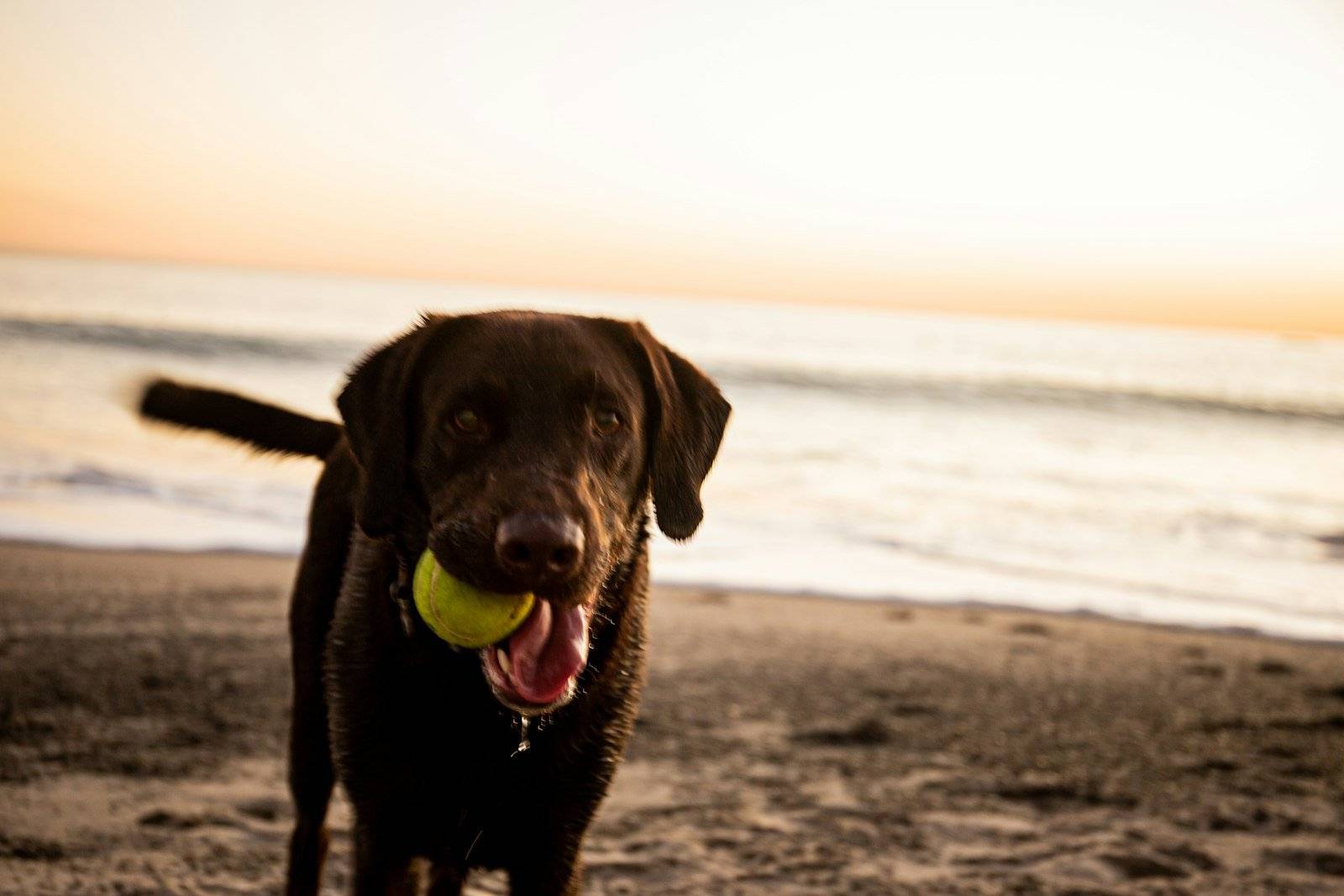
Short answer: a Lab mix is any cross between a Labrador Retriever and another breed. The best-known are the Goldador (Lab x Golden Retriever) and the Labradoodle (Lab x Poodle), both of which started as guide-dog crosses. Mixes aren’t AKC breeds, and their size, coat and temperament are hard to predict, especially in a first-generation (F1) cross. They aren’t automatically healthier either: in the largest UK lifespan study, crossbreeds as a group had a median life expectancy of 12.0 years versus 13.1 for Labradors (McMillan et al., 2024).
The Goldador (Labrador x Golden Retriever)
The Lab x Golden cross is the most established Lab mix. It’s a working cross, not just a designer pet:
- Guide Dogs UK says combining the two breeds produces its “most successful guide dog of all”, and that over 60% of its working guide dogs are Labrador x Golden Retriever crosses.
- Guide Dogs for the Blind in the US breeds mostly Labradors, with a smaller share of Golden Retrievers and Lab/Golden crosses.
Size. Both parent breeds have similar standards, so a Goldador is a large dog either way. The AKC standards put male Labs at 22½–24½ inches and 65–80 lb and male Goldens at 23–24 inches and 65–75 lb; females are 21½–23½ inches and 55–70 lb (Lab) and 21½–22½ inches and 55–65 lb (Golden).
Coat. It varies from a short Lab-like coat to a longer, feathered one. Guide Dogs UK says its Lab x Golden crosses can be yellow, white or black. Both parents shed, so expect a Goldador to shed too.
Health. A Goldador can inherit the health risks of both breeds, so ask for both parents’ clearances: hips, elbows, eyes and an EIC DNA test for the Lab parent, and hips, elbows, eyes and heart for the Golden parent. See Golden Retriever vs Labrador for each breed’s health priorities and Lab health testing.
The Labradoodle (Labrador x Poodle)
The first known Labradoodle litter was bred in 1989 by Wally Conron, then breeding manager at the Royal Guide Dogs Association of Australia (now Guide Dogs Victoria). He was trying to produce a guide dog for a blind woman in Hawaii whose husband was allergic to dogs, crossing a Labrador with a Standard Poodle. Of the three puppies, one, Sultan, was a match for her and went to work as her guide dog (ABC News, 2019).
Conron later said he regretted the cross because of the rush of breeders that followed. The Labrador Retriever Club, Inc. is opposed to deliberately crossing Labradors with other breeds, and it says a first-generation Labradoodle is “a complete genetic gamble” in size, color, coat and temperament, and that Labradoodles do shed. Guide Dogs UK still uses the cross: it says Poodle x Labrador crosses make up about 2% of its working guide dogs, and that no breed is truly hypoallergenic.
Size. The Poodle standard covers three sizes. A Standard Poodle is over 15 inches at the shoulder and a Miniature 15 inches or under, so ask which Poodle was used, because it changes the expected size of the puppies.
Other common Lab crosses
Size is the easiest trait to estimate, because it falls somewhere between the parents. The table uses each parent breed’s AKC standard:
| Cross | Other parent’s AKC standard size | What to know |
|---|---|---|
| Lab x German Shepherd | Males 24–26 in, females 22–24 in | Guide Dogs UK uses a related Golden x German Shepherd cross (about 4% of its guide dogs) to blend the two breeds’ working traits. |
| Lab x Siberian Husky | Males 21–23½ in and 45–60 lb, females 20–22 in and 35–50 lb | Lighter-built than most Labs. The Husky had a median life expectancy of 11.9 years in the UK study. |
| Lab x Poodle (Standard) | Over 15 in (no weight given) | See the Labradoodle section above. |
| Lab x Curly-Coated Retriever | — | Guide Dogs UK breeds this cross for a low-shedding curly coat (under 1% of its guide dogs). |
For any other mix, such as a shelter dog listed as a “Lab mix”, the label is usually based on appearance. A dog DNA breed test is the only reliable way to know what’s in the mix.
Are Lab mixes healthier? Hybrid vigor, checked
“Hybrid vigor” is the most common selling point for designer crosses. The evidence is mixed:
- In the 2024 UK study of 584,734 dogs, crossbreeds as a group had a median life expectancy of 12.0 years, below the purebred median of 12.7, and below the Labrador (13.1), Golden Retriever (13.2) and Poodle (14.0) (McMillan et al., 2024).
- The LRC says crossbred dogs are prone to the genetic diseases of both breeds.
- Guide Dogs UK notes that crossbreeds typically have more genetic diversity but “still carry the genes of both parents”, and that careful selection of healthy parents is still needed.
The takeaway: judge a mix by its parents’ health clearances, not by the word “hybrid”. Expect to see hip and elbow results for both parents, plus each parent breed’s recommended eye, heart or DNA tests.
Choosing a Lab mix
- Meet both parents if you can. Their size, coat and temperament are the best guide to the puppies’.
- Don’t pay for “hypoallergenic”. No breed or cross can promise it.
- Ask for clearances on both sides, and get a written contract. Our breeder guide covers the questions to ask.
- Consider adopting. See the Labrador rescues by state directory.
- Budget like it’s a large dog. See what a chocolate Lab costs; most of the costs apply to any large mix.
Want a purebred Lab instead? Compare the English (show) and American (field) styles, or read about Lab colors from black to chocolate.