 ChocolateLabs

 Chocolate Lab Health

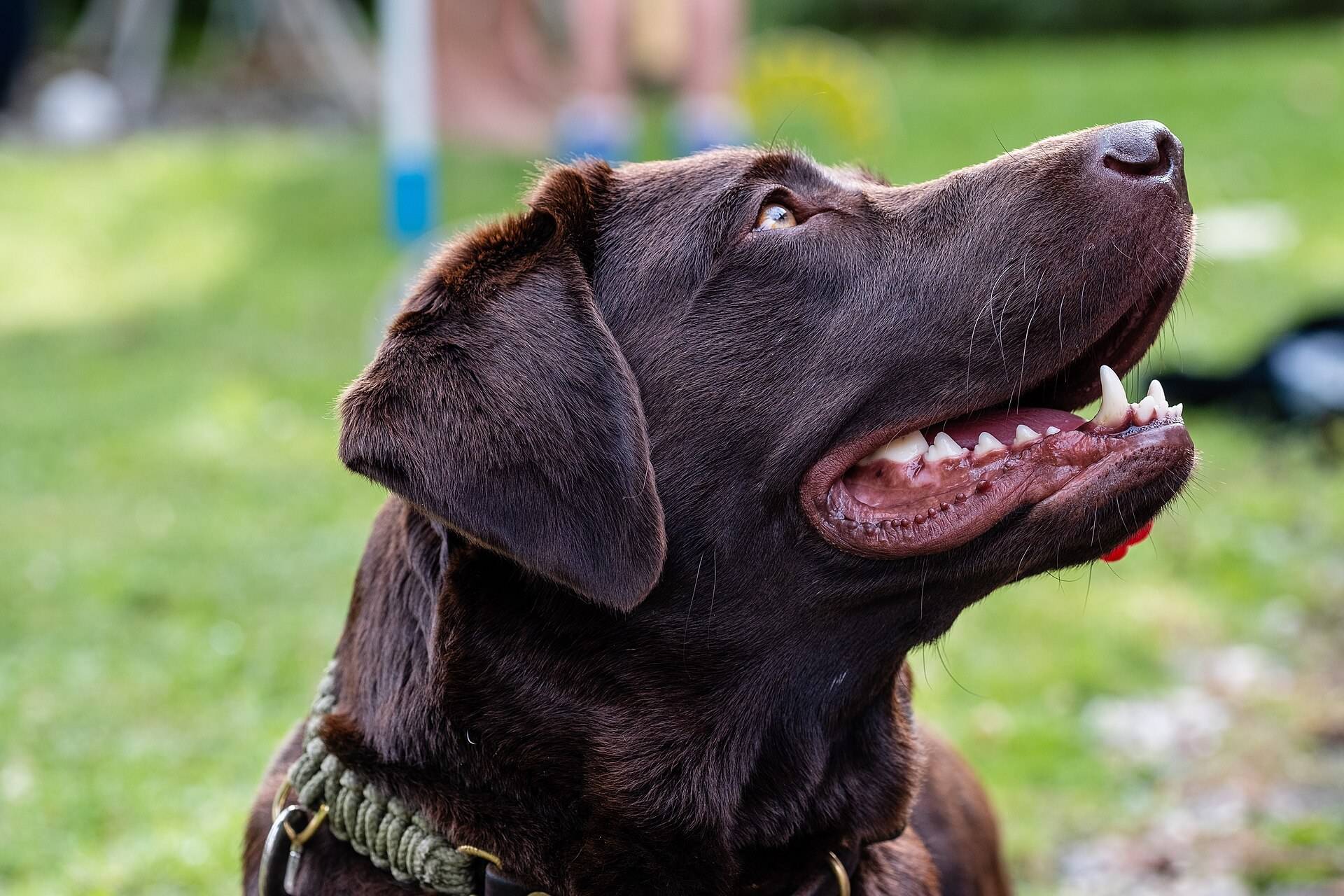

Short answer: a real Christmas tree is only mildly risky for a Lab. Pet Poison Helpline says most trees are spruce, fir or pine, and chewing the needles can irritate the mouth and stomach, causing vomiting, diarrhea and drooling. A big mouthful is the real worry, because needles don’t digest well and can block or perforate the gut. Most of the serious emergencies come from what’s on and under the tree, not the tree itself.
Labs are chewers and counter-surfers with tails at ornament height, so this one’s worth setting up properly before December.
Christmas tree hazards at a glance
| Hazard | What can happen | Source |
|---|---|---|
| Needles (real tree) | Mouth and stomach irritation; large amounts can obstruct or perforate the gut | Pet Poison Helpline, Cornell |
| Artificial tree pieces | Stomach irritation; blockage if enough is swallowed | Pet Poison Helpline |
| Tree water | Bacteria can cause nausea and diarrhea; homemade additives can be worse | ASPCA, Poison Control |
| Tinsel and garland | Gut blockage or rupture, even from small amounts; some tinsel contains zinc | Pet Poison Helpline, ASPCA |
| Glass or plastic ornaments | Shards can cut the mouth and digestive tract; choking | ASPCA, Cornell |
| Salt-dough ornaments | Salt toxicity, a life-threatening electrolyte imbalance, even when dry | ASPCA, Cornell |
| Lights, cords and batteries | Electrical burns or electrocution; a punctured battery burns the mouth and esophagus | ASPCA, Cornell |
| Popcorn or cranberry strings | Blockages that may need surgery | AKC |
| Wrapped food gifts | Your Lab will smell chocolate through the paper | ASPCA |
| A falling tree | Injury to your dog (and your ornaments) | ASPCA, Poison Control |
Needles: real and artificial
Spruce, fir and pine needles aren’t a true poison, but they’re sharp and they don’t break down. Pet Poison Helpline says a few chewed needles usually mean drooling or a bout of vomiting or diarrhea, while a large amount can obstruct the gut and possibly perforate it. Cornell’s Riney Canine Health Center lists the same risks. Artificial trees don’t shed, but Pet Poison Helpline notes chewed artificial material can also irritate the gut or block it if enough goes down.
Sweep up fallen needles every day, keep the tree watered so it sheds less, and watch a young Lab around the bottom branches.
Tree water and preservatives
The ASPCA says tree water is a breeding ground for bacteria that can cause nausea, diarrhea or stomach upset, so keep the stand covered or out of reach. The National Capital Poison Center says commercial tree preservatives usually contain fertilizer, sugar and perhaps fungicides, and the small amounts pets drink tend to cause stomach upset at most. Homemade recipes are the problem: some call for aspirin, bleach or even whiskey, and aspirin isn’t safe for many pets. The center points out that the National Christmas Tree Association recommends plain tap water only, which also takes the guesswork out if your Lab does get a drink.
Tinsel, garland and ornaments
Skip tinsel in a house with a Lab. Pet Poison Helpline says swallowing tinsel or garland, even in small amounts, can lead to a gastrointestinal blockage and rupture, and that some decorative tinsel contains zinc, which can cause vomiting, loss of appetite, difficulty breathing and pale gums from life-threatening anemia. The ASPCA adds that swallowed tinsel can cause severe vomiting and dehydration and may need surgery.
- Ornaments: the ASPCA warns that shards of broken glass or plastic ornaments can damage the mouth and digestive tract. Hang breakable and sparkly ones high, out of tail-sweep and nose range, as the AKC suggests.
- Salt-dough ornaments: keep them off the tree entirely. The ASPCA and Cornell both say they can cause a life-threatening salt imbalance, even after they’ve dried.
- Edible garlands: the AKC says popcorn and cranberry strands can cause blockages that need surgery. Fresh cranberries are fine for dogs in small amounts; the string and the volume are the problem.
Lights, cords and batteries
The ASPCA says a chewed wire can deliver a potentially lethal shock, and a punctured battery can burn the mouth and esophagus. Run cords along the wall or through a cord cover, unplug the lights when nobody’s home, and keep spare batteries in a drawer, not in a gift bag under the tree.
Presents under the tree
Your Lab can’t see what’s inside a wrapped present, but the ASPCA points out they can smell it. Keep wrapped chocolate, candy, nuts and any edible gifts off the floor until they’re opened. If your Lab does tear into a box of chocolates, our chocolate toxicity calculator gives a quick risk estimate to share with your vet, and can Labs eat chocolate? explains what the numbers mean.
How to dog-proof your Christmas tree
- Anchor it. The ASPCA says to secure the tree so it can’t tip over. Poison Control’s own example is a 70 lb dog that knocked a tree over and drank the stand dry, so tie it to a wall or ceiling hook.
- Gate it. The AKC suggests a gate around the tree for puppies, and Poison Control says keeping it behind a closed door or gate is best. An exercise pen works well around a corner tree.
- Cover the stand and use plain water.
- Decorate high. Nothing breakable, edible or dangly on the bottom third of the tree. No tinsel, no salt dough.
- Manage cords and unplug when you’re out.
- Keep gifts off the floor until opening time, then clear ribbon and wrapping right away.
- Give them a better job. A stuffed food toy or a safe chew keeps a Lab busy while you decorate. See our chews and bones guide and toy guide.
Puppies need the most help here. If it’s your Lab’s first Christmas, see our puppy checklist and crate guide for somewhere safe to settle while the tree goes up.
If your Lab ate part of the tree or a decoration
- A few needles, and acting normal: block off the tree and watch for vomiting, diarrhea or drooling.
- A lot of needles, or vomiting, not eating, or a sore belly: call your vet. These can be signs of a blockage.
- Tinsel, ribbon, string, ornament pieces, a battery, a chewed cord or salt dough: call your vet, ASPCA Animal Poison Control at (888) 426-4435, or Pet Poison Helpline at (855) 764-7661 right away, even if your dog seems fine. Never pull on a strand hanging from your dog’s mouth or rear end. The Merck Veterinary Manual explains that string-like objects often anchor at one end while the gut bunches along them, and pulling can cause perforation; Animal Trust gives the same advice for string at either end. Don’t make your dog vomit unless a vet tells you to.
Cornell suggests looking up your nearest 24/7 emergency vet before the holidays. For the food side of the season, see Christmas foods your Lab can and can’t eat and can Labs eat ham?. More foods are in the full Can Labs eat it? series.