 ChocolateLabs

 Can Labs Eat It? Food Safety

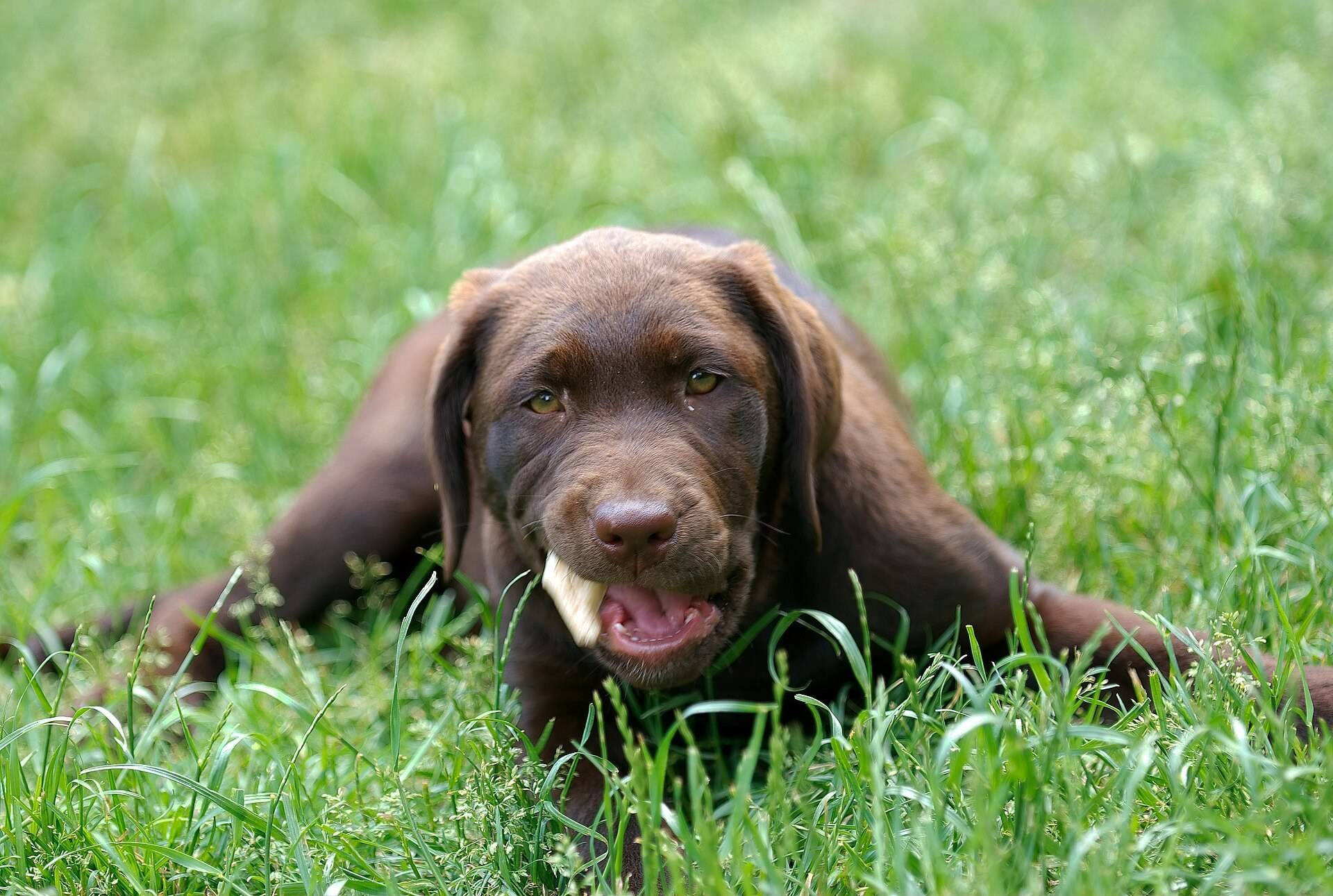

Thanksgiving is Thursday, November 26, 2026, and few dogs take it more seriously than a Lab. The AKC notes that the holiday brings an uptick in emergency vet visits because dogs end up eating rich or unsafe people food. Here’s what can go in your Lab’s bowl and what can’t.
Safe in small, plain portions
These come from the AKC and AAHA lists of dog-safe Thanksgiving foods. “Plain” means no butter, oil, salt, sugar, sauce or seasoning, so set your dog’s share aside before you season anything.
| Food | OK for Labs? | How to serve it |
|---|---|---|
| Turkey meat | Yes, plain | Skinless, boneless, unseasoned. See Can Labs eat turkey? |
| Green beans | Yes | Steamed or raw, plain. Not the casserole |
| Sweet potato | Yes | Plain baked or mashed. No marshmallows, brown sugar or syrup |
| Potato | Yes | Plain boiled or baked. Not buttery mashed potatoes |
| Peas | Yes | Plain. Not creamed |
| Carrots | Yes | Plain, cut into bite-size pieces |
| Pumpkin | Yes | Pure canned puree, not pie filling or pie |
| Apples | Yes | Slices with the core and seeds removed. See apples |
Keep it to a few bites. Treats and extras should stay under about 10% of your dog’s daily calories, which you can estimate with the calorie calculator.
Keep these away from your Lab
The AKC’s avoid list includes turkey bones (if your Lab gets some, see what to do if your dog ate poultry bones), skin and gravy, stuffing, casseroles, mashed potatoes, creamed peas, chocolate and other sweets, alcohol, grapes and raisins, onions, scallions and garlic, ham, yeast dough, fatty foods and anything heavily spiced. The biggest reasons:
- Fat: skin, gravy, drippings, butter, ham. The AVMA says rich holiday table scraps are hard for pets to digest and can cause pancreatitis. VCA lists vomiting, belly pain, diarrhea and lethargy among the signs.
- Onion, garlic, scallions and chives. They’re in stuffing, gravy, casseroles and seasoning blends. The Merck Veterinary Manual says they can destroy red blood cells, garlic is 3 to 5 times more toxic than onion, and signs may not show for several days.
- Cooked bones. They splinter and can cause choking or intestinal blockage (AVMA, ASPCA).
- Grapes and raisins. Watch for them in stuffing, salads and baked goods. They can cause kidney failure, with no known safe amount. See grapes and raisins.
- Desserts. Chocolate is toxic to dogs, and the AVMA warns that sweets and baked goods may contain xylitol, which has been linked to liver failure and death in dogs.
- Raw yeast dough. The ASPCA says it can expand in the stomach, cause painful bloating and produce alcohol as it ferments.
- Alcohol. The ASPCA says it can cause vomiting, diarrhea, poor coordination, trouble breathing and, in serious cases, coma.
- Nuts. Macadamia nuts can cause weakness and tremors in dogs, and other nuts are fatty enough to upset the stomach (ASPCA).
Hosting tips for a Lab household
- Make a dog-free kitchen zone with a baby gate or a closed door while you cook (AAHA).
- Tell your guests not to share food with the dog, especially kids (AKC, AAHA).
- Give your Lab a quiet room or crate with a stuffed chew toy during the meal (AVMA). Our chews guide and toy guide have options that keep a Lab busy.
- Watch the door. With guests coming and going, check that your dog’s microchip details and ID tag are current (AVMA).
- Lock up the trash. The AVMA says to put the turkey carcass, bones, strings and wrappings in a tightly closed bag in a covered bin outside or behind a locked door. A Lab who finds the carcass can eat bones, fat and string all at once.
- Clear plates and low tables as soon as people are done (AAHA).
If your Lab gets into the feast
- Move your dog away and figure out what was eaten and roughly how much.
- Call your vet, your nearest 24/7 emergency clinic, ASPCA Animal Poison Control at (888) 426-4435, or Pet Poison Helpline at (855) 764-7661. A fee may apply for the poison lines.
- Don’t make your dog vomit unless a vet tells you to.
The AVMA suggests looking up your nearest 24/7 emergency vet before the holiday so you aren’t searching for directions in a panic. If chocolate was involved, the chocolate toxicity calculator gives you a quick risk estimate to share on the call. More foods are covered in the full Can Labs eat it? series.