Disclosure: Some links on this page go to companies that run affiliate programs. If ChocolateLabs.com joins those programs, we may earn a commission at no extra cost to you. It never changes what we recommend. Read our disclosure.
Combine a front-clip harness with short daily reward-based loose-leash sessions. Stop moving when the leash tightens, and walk forward when it slackens. Meeting your Lab’s exercise needs helps too, because a tired Lab pulls noticeably less on every sidewalk walk. Answer page →
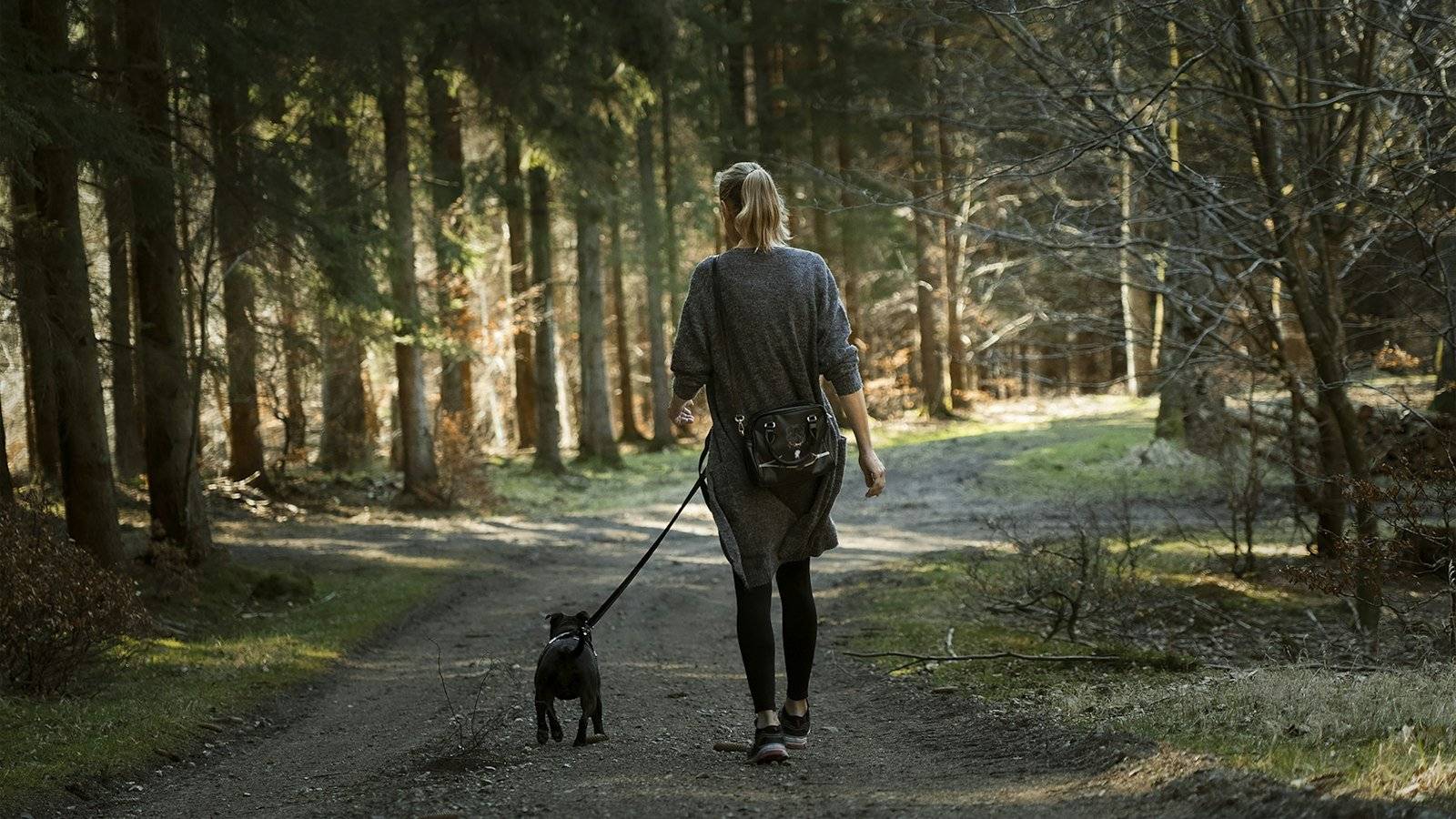
A 75 lb Lab that pulls is a safety problem. The fix is to make a loose leash pay and make pulling stop working, while a harness manages the dog in the meantime.
We don't list prices because they change often. Check the current price with the seller.
Frequently asked questions
Should I use a prong or choke collar on a Lab?
AVSAB recommends against aversive tools because of the risk of fear, pain and aggression. A front-clip harness plus reward-based training is the safer option.
Best Harnesses for Labs (Including Strong Pullers) Front-clip, dual-clip and everyday harnesses for Labradors: Ruffwear Front Range, PetSafe Easy Walk and 2 Hounds Freedom, plus how to fit one correctly.
Intermediate Training for Labs Take your Lab beyond basics: place/mat, heel, wait at doors, distance recall, settle, and preparing for the AKC Canine Good Citizen test.
Basic Commands for Your Chocolate Lab Step-by-step, reward-based instructions for teaching a Lab sit, down, stay, come, leave it and drop it, with a 4-week practice plan.
Chocolate Lab Temperament and Personality Are chocolate Labs hyper or dumber than other Labs? What the evidence says about Lab temperament, energy by age, and which homes suit them.
Chocolate Lab Exercise Needs by Age Daily exercise needs for chocolate Lab puppies, adults and seniors, with safe activities, puppy joint precautions and warning signs like EIC.