 ChocolateLabs

 Labrador Rescues
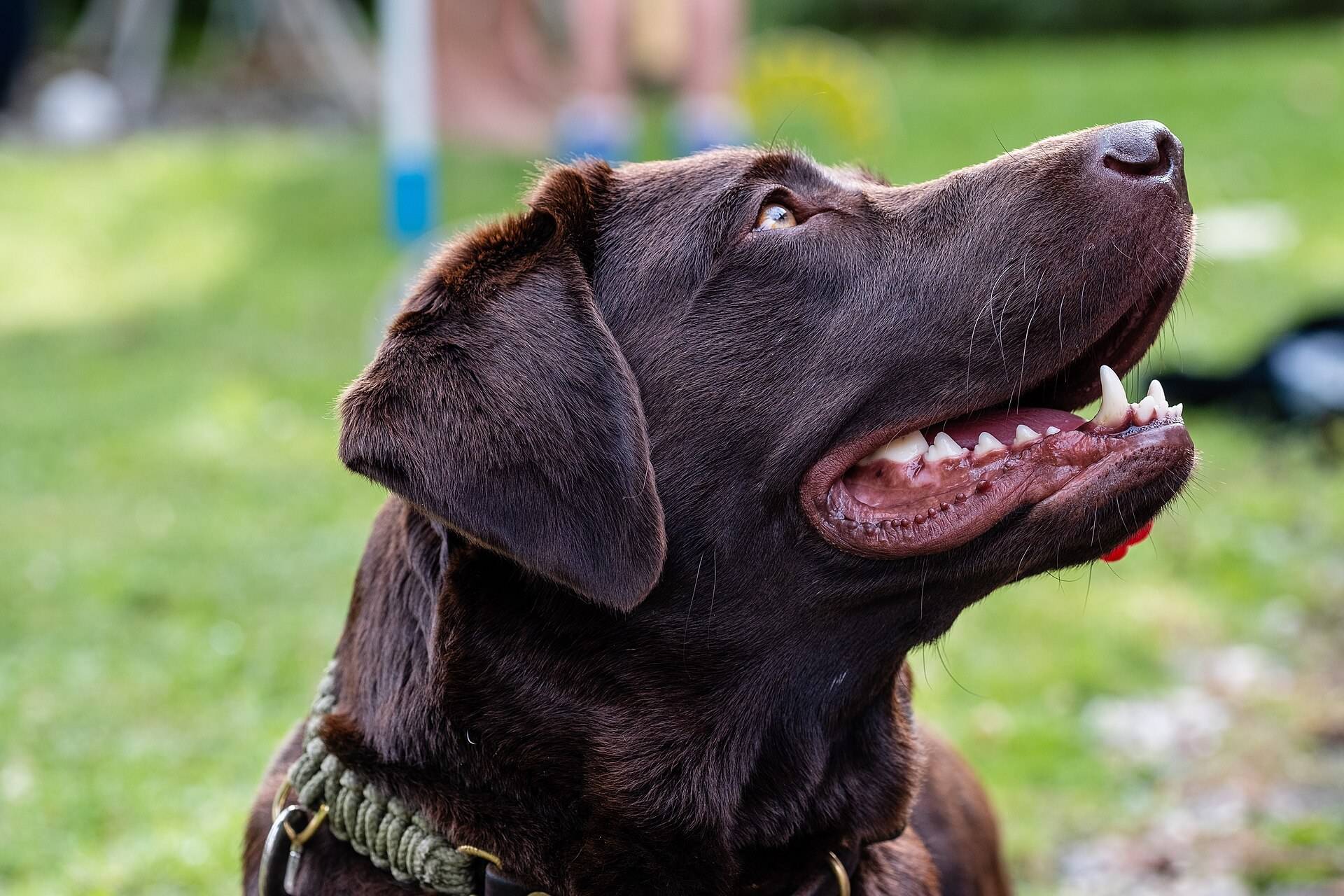

Rescue Spotlight is a monthly feature. Everything below comes from Labrador Retriever Rescue of Florida's own website, which we reviewed on November 6, 2026. Fees, policies and available dogs change, so check their site for the latest. ChocolateLabs.com isn't affiliated with LRRoF and wasn't paid for this feature.
November is Adopt a Senior Pet Month, so this month’s Rescue Spotlight goes to a group with a whole program for older Labs: Labrador Retriever Rescue of Florida (LRRoF). It has been placing Labs since 2000, and its “Silver Muzzle” pages make one of the clearest cases we’ve read for adopting a grey-faced Lab.
Who they are
LRRoF describes itself as a non-profit dedicated to rescuing Labrador Retrievers, placing them in foster homes, and sharing their stories online to help them find permanent families. It says it was founded in 2000 and has rescued over 12,000 dogs since then. It is a 501(c)(3) and is registered with the Florida Department of Agriculture and Consumer Services.
The rescue is run entirely by unpaid volunteers, supported by veterinary partners. It says every dog it takes in gets foster care, veterinary treatment, spay/neuter and a microchip. It’s breed-specific: it takes Labs and Lab mixes that clearly look and act like Labs, and it doesn’t take strays (Florida law sends those to county shelters).
There’s no shelter building. Dogs live in foster homes across the state, organized into North, Central and South Florida regions.
Silver Muzzle Labs: the senior program
LRRoF calls its Labs aged 7 and older “Silver Muzzles,” and its Silver Muzzle Labs page is worth reading even if you never adopt from them. The rescue’s argument, in short:
- You know more about who you’re getting. A senior’s personality and energy level are already settled, and many have lived in a home before.
- Seniors still want to do Lab things. Walks, car rides, swimming and toys, just at a more comfortable pace.
- A young Lab is a lot of dog. LRRoF is frank that young Labs can be strong, impulsive and physically demanding, and it asks every adopter to think about whether they can handle a dog’s size, strength and leash pulling.
- Senior doesn’t mean no exercise. The aim is a dog whose exercise needs fit yours, not a dog that needs none.
It also explains why older Labs land in rescue: illness, a move, financial hardship, a change in housing or the loss of an owner. As the rescue puts it, “Choosing a senior dog doesn’t mean choosing less of a Labrador.”
The adoption fee reflects the push. Seniors are $250, against $425 for adults (see the fees below). If you’re weighing an older dog, our chocolate Lab lifespan guide covers how long Labs typically live, and the Lab age calculator turns a senior’s age into human years.
How to adopt
LRRoF’s How to Adopt page lays out four steps:
- Apply. Submit an adoption application with a $50 non-refundable application fee. The FAQ says the fee is good for one year, covers any dog during that year, and is deducted from the adoption fee if you adopt.
- Review. Volunteers review applications within 10 to 14 days.
- Home visit. A volunteer schedules a virtual or in-person home visit. Every household member, including your other pets, needs to be there.
- Matching. Once you’re approved, adoption counselors match you with a dog in foster care that fits your household and activity level. You can ask about a specific dog, but the rescue won’t discuss a particular dog until you’ve applied.
The FAQ says a match typically takes 3 to 6 weeks. The rescue also warns that it sometimes has more approved adopters than dogs, and that waits can stretch to months if you want a specific age, color or sex.
Adoption fees
From LRRoF’s adoption fees page:
| Age | Adoption fee |
|---|---|
| Puppies (0 to 12 months) | $500 |
| Dogs 1 to 6 years | $425 |
| Seniors (7 years and up) | $250 |
The rescue says a dog’s care while in rescue typically costs $1,000 to $2,000. At adoption, dogs are spayed or neutered, microchipped, tested negative for heartworm (unless noted otherwise), and current on rabies, distemper (DHPP) and Bordetella vaccines.
Policies worth knowing before you apply
LRRoF’s adoption policies (revised February 2026) are detailed. A few stand out:
- Florida residents only, because of the home visit.
- Indoor dogs only. No outside-only homes, tie-outs or chains.
- Kids: dogs must never be left alone with children under 12. Families with children 12 and under complete a Child Safety Program first, which can lengthen the wait.
- Resident dogs must be spayed or neutered, unless a vet confirms a medical reason.
- Year-round heartworm prevention and annual testing are required, checked through vet records. LRRoF notes that Florida has one of the highest heartworm infection rates in the country.
- Renters need written permission from the landlord or HOA for a Lab-sized dog.
- Training: adopters of young dogs should start an obedience class or private trainer within 30 days.
- No surprise gifts, no holding dogs for later, and a 6-month wait before adopting a second dog.
- The rescue strongly discourages applying for a dog to train as a service dog.
Getting ready for a new dog? Our new puppy checklist covers most of what an adult rescue needs too, including a crate. LRRoF asks adopters to be willing to crate train, and our crate size guide shows what fits a Lab.
Fostering and volunteering
LRRoF says fosters are “the front line” and that the number of dogs it can save depends on its number of foster homes. According to its fostering page:
- Fosters keep a dog for 4 to 8 weeks on average, often until the dog is adopted.
- Fosters provide a safe home, food, water, exercise, any medications, and help with transport to adoption events. The FAQ says LRRoF provides vet care and support.
- Foster-to-adopt is possible when it’s a good fit.
Other volunteer roles include adoption counselor (reviewing applications, home visits, meet-and-greets) and transport driver (vet runs, moving dogs between fosters, meeting interstate transports). Volunteers must be 18 or older.
Surrendering a Lab
If you can no longer keep your Lab, LRRoF’s surrender page explains that surrenders are permanent. It doesn’t take temporary surrenders. Dogs must be socialized and non-aggressive, and each one gets an in-home evaluation before it’s accepted. The rescue asks for 4 to 5 photos within 48 hours of applying, says processing can take up to 10 days, and the whole process 3 to 4 weeks. Intake depends on open foster homes.
How to reach them
LRRoF lists a mailing address of PO Box 476, Ponte Vedra Beach, FL 32004, a phone number of 877-LABS-FLA (877-522-7352), and info@lrrof.org. The contact page also has a form. See their available dogs for who’s looking for a home right now.
Not in Florida? Find a group near you in our Labrador rescues by state directory, or read last month’s spotlight on Golden Gate Labrador Retriever Rescue. Run a Lab rescue and want to be featured? Get in touch.